Design · 17 March 2024
The Integration of Nature into Lighting Design
By Sinsiya Koppath
The Relationship Between Light and Nature
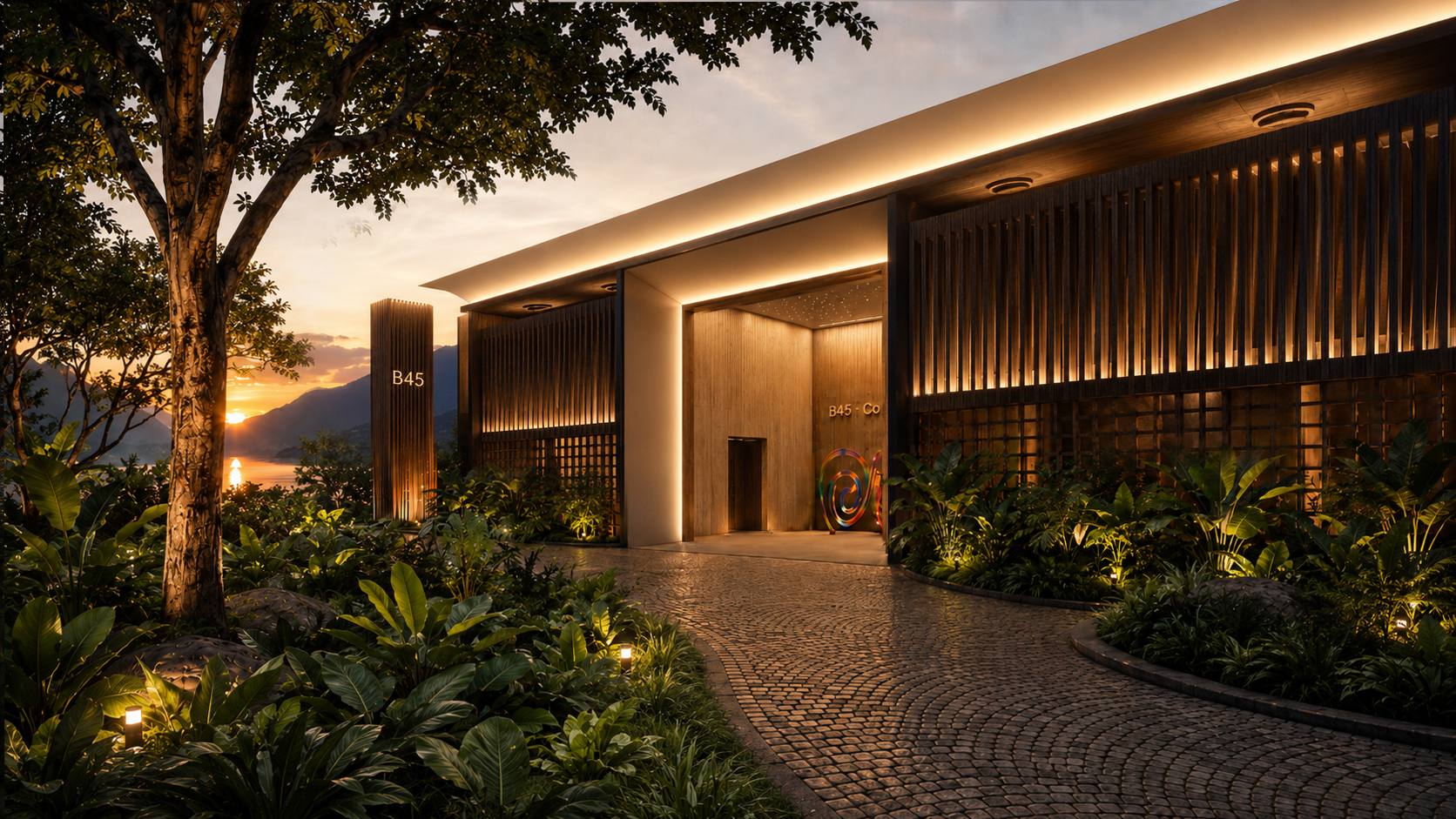
The relationship between light and nature is not decorative. It is fundamental. Long before electric illumination, architecture was shaped by the movement of the sun, the diffusion of cloud cover, and the filtered quality of light passing through trees, screens, and openings. Buildings responded to daylight as a primary design material, allowing interiors to change character throughout the day.
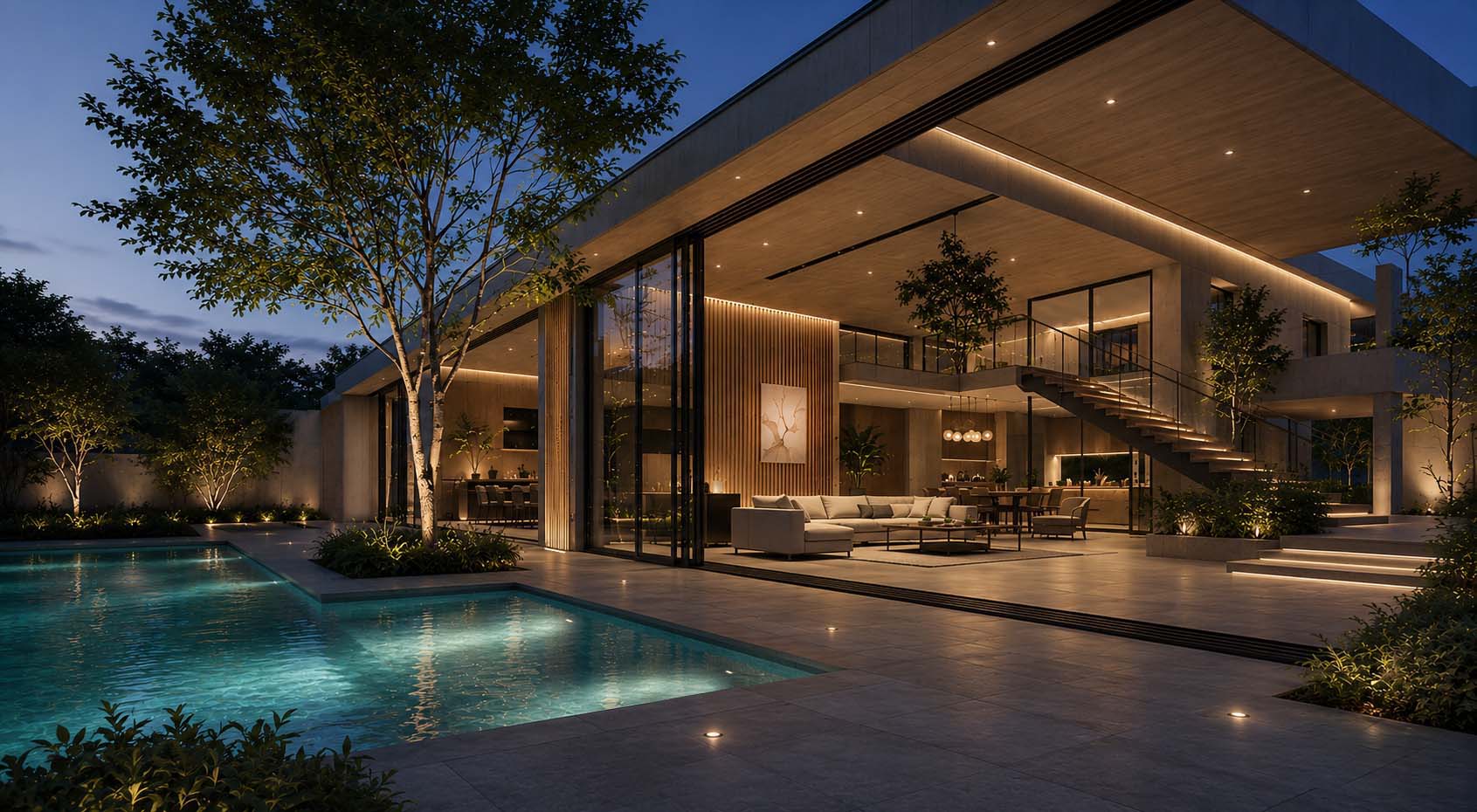
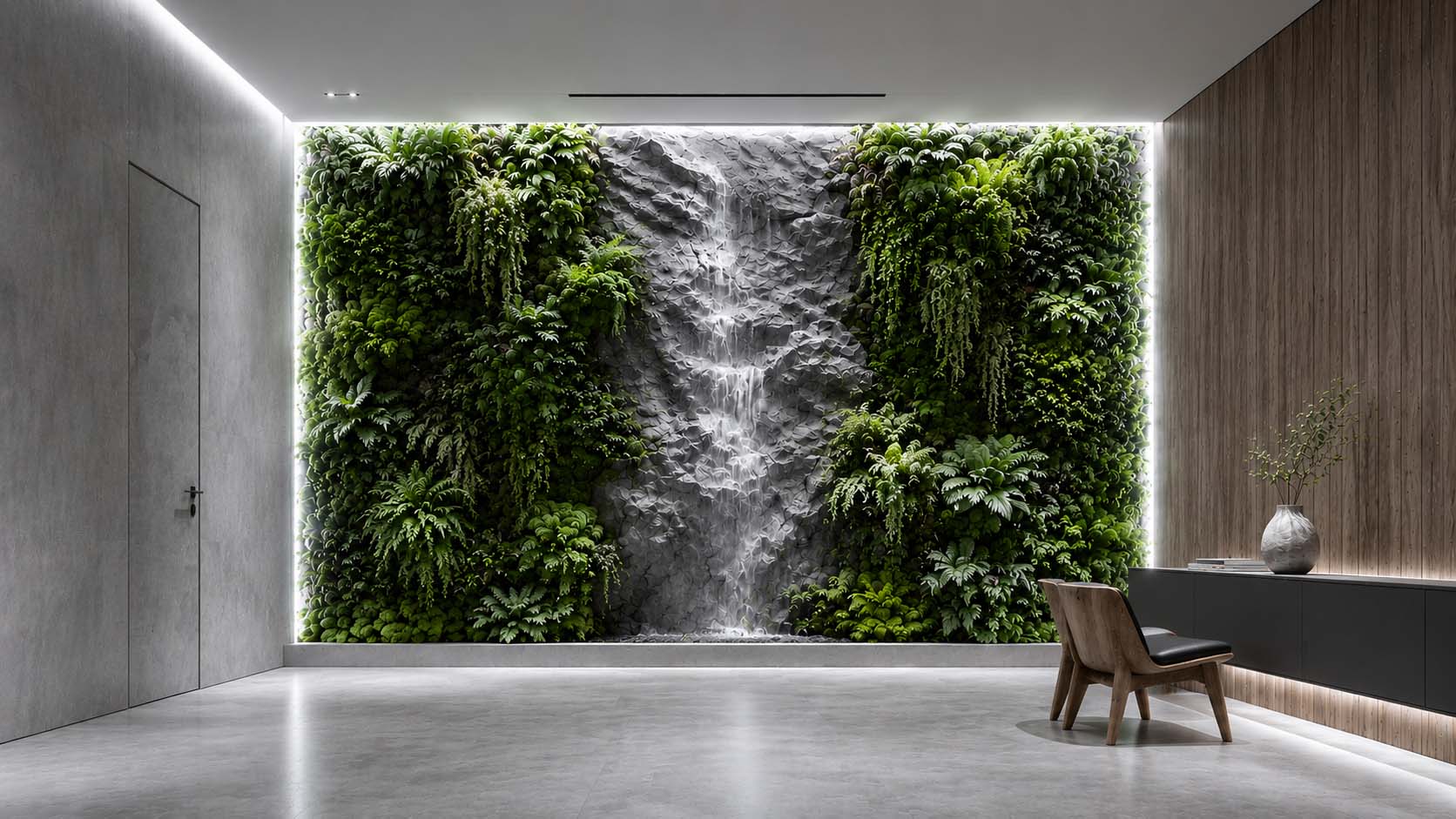
As the discourse around biophilic design matures within contemporary architecture, lighting designers occupy a critical position in restoring this relationship within modern interiors. Biophilic lighting is not simply about admitting daylight or selecting warmer colour temperatures. It is a spatial strategy that draws upon the sensory qualities of the natural world to shape perception, support circadian health, and establish an emotional connection between people and the spaces they inhabit.
The Architecture of Daylight
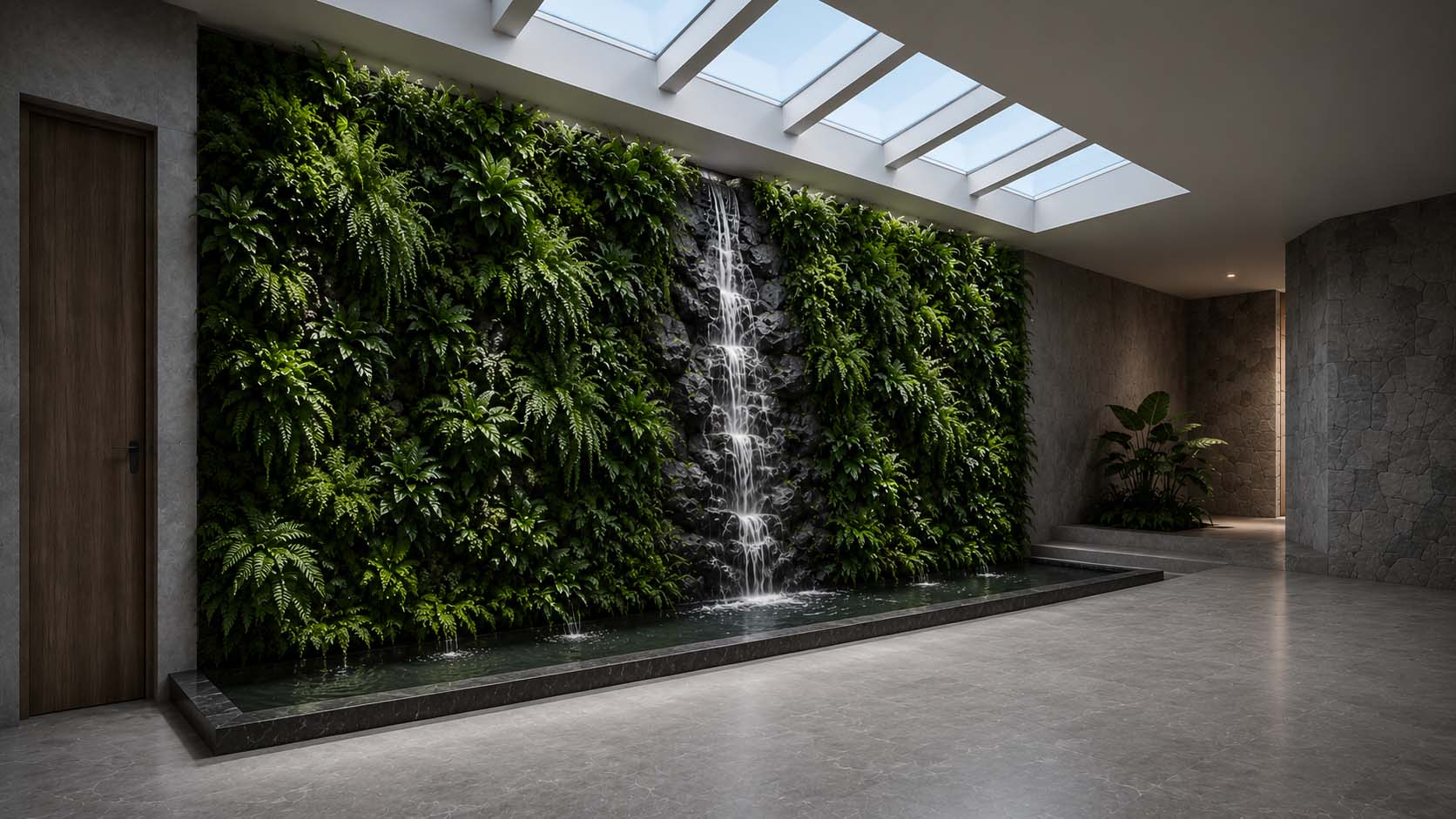
The most refined interiors begin with daylight as a primary design material. Clerestory windows, skylights, light wells and carefully proportioned openings allow sunlight to penetrate deep into a space while maintaining visual comfort.
Rather than simply allowing daylight to enter, these architectural elements choreograph it. As the sun moves across the sky, light shifts in direction and intensity, creating subtle variations of brightness and shadow that give interiors a sense of temporal depth.
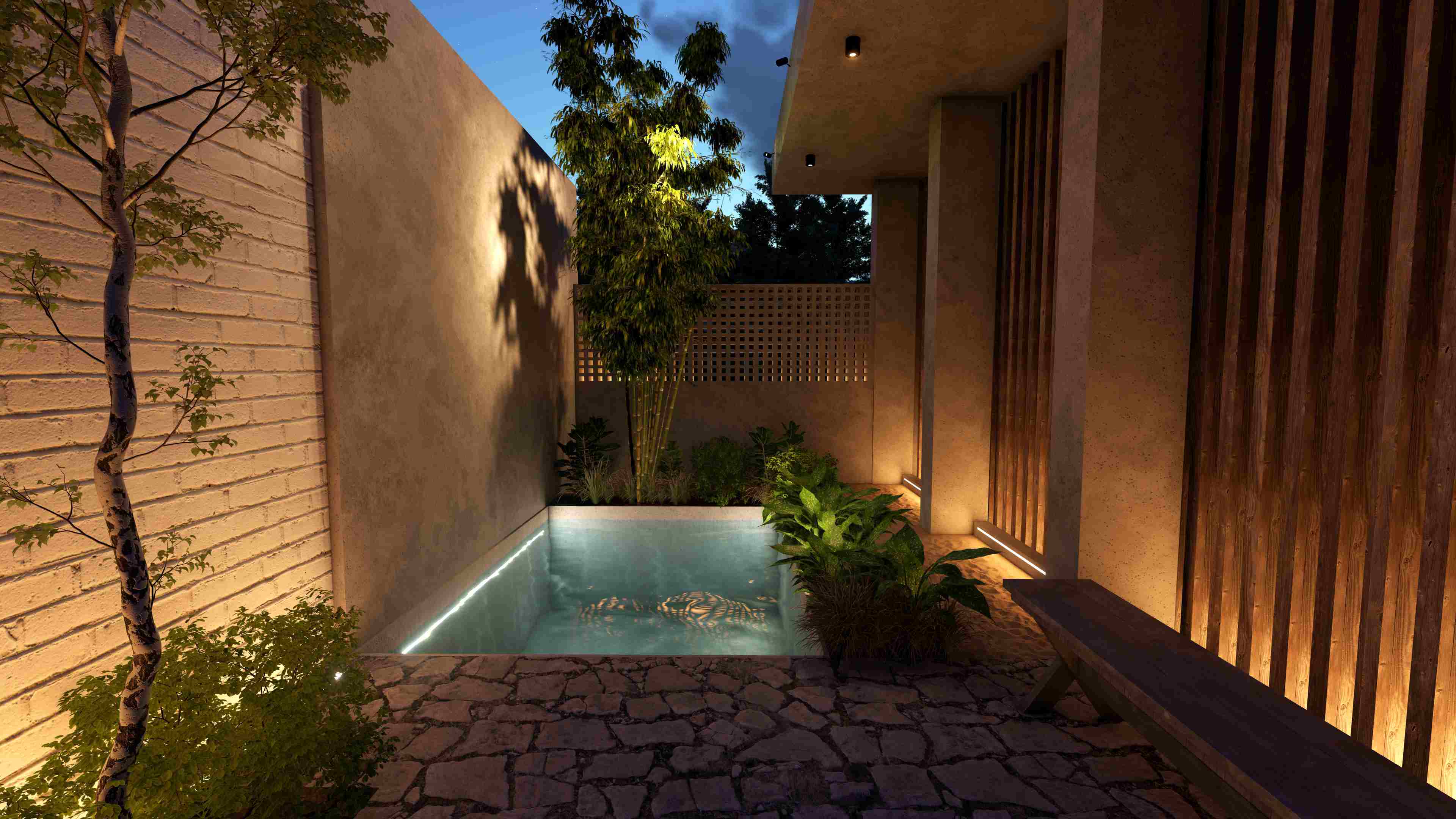
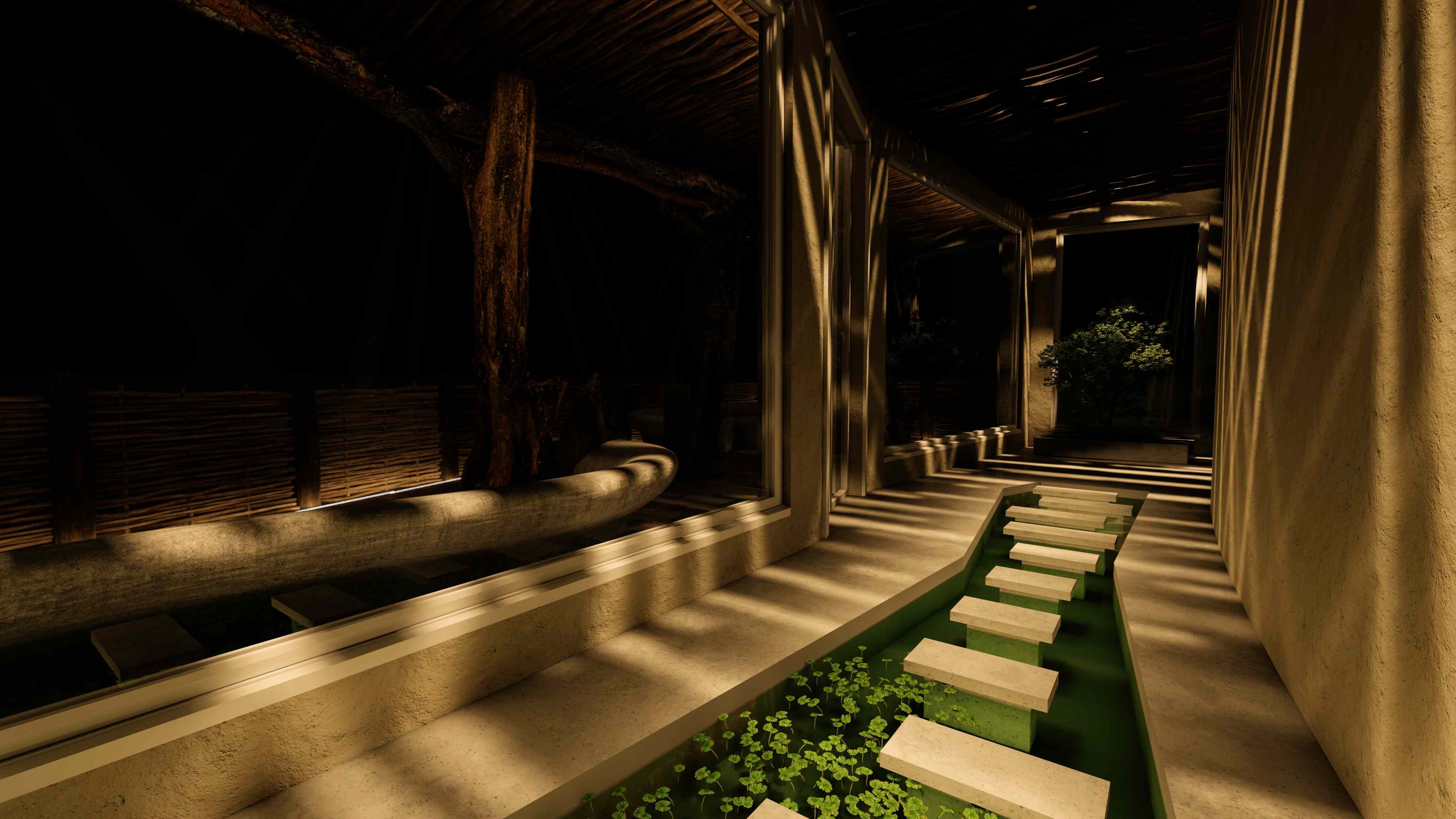
In regions with strong sunlight, such as the UAE and South India, the design challenge is often about filtering and moderating daylight rather than maximising it. Louvres, perforated screens, deep window reveals and diffusing glass can soften direct sunlight and transform it into a controlled, ambient presence. The resulting interplay of shadow and illumination recalls the dappled light beneath a tree canopy, an effect that is instinctively calming and deeply rooted in human perception.
Material Resonance and Light
The materials within a space play a crucial role in shaping how light is experienced. Natural materials such as timber, stone, linen and clay respond to illumination with a warmth and depth that synthetic surfaces rarely achieve.
Low-angle light grazing across timber grain, the subtle translucency of thin stone, or the soft absorption of handwoven textiles all produce sensory layers that reinforce the biophilic intention of a space.
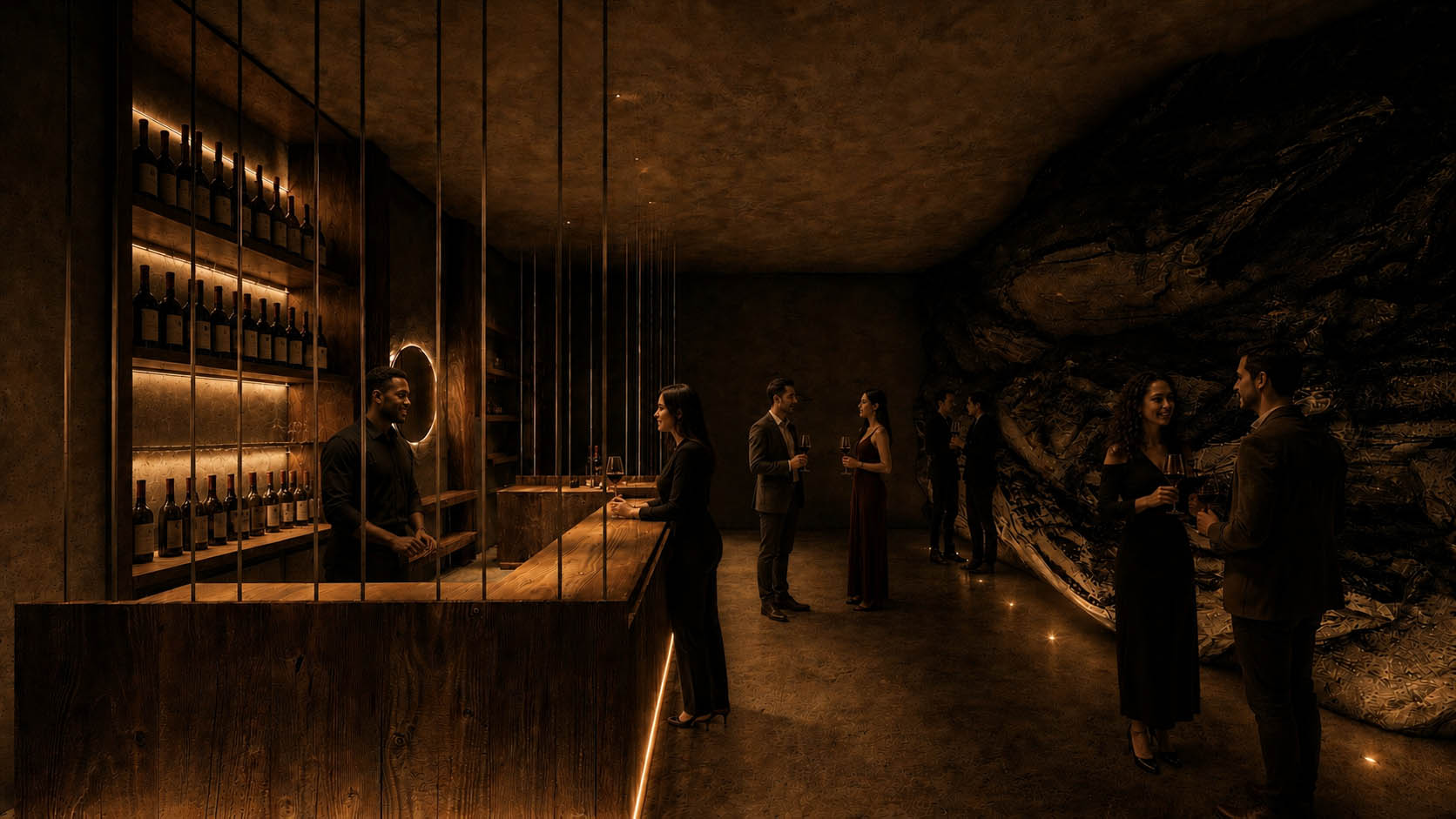
Equally important is the spectral quality of the light source. High colour-rendering LED systems ensure that natural materials retain their true colour and texture under artificial lighting. When carefully calibrated, artificial light can complement daylight and preserve the organic character of interior materials rather than flattening their appearance.
Dynamic Lighting and Circadian Rhythm
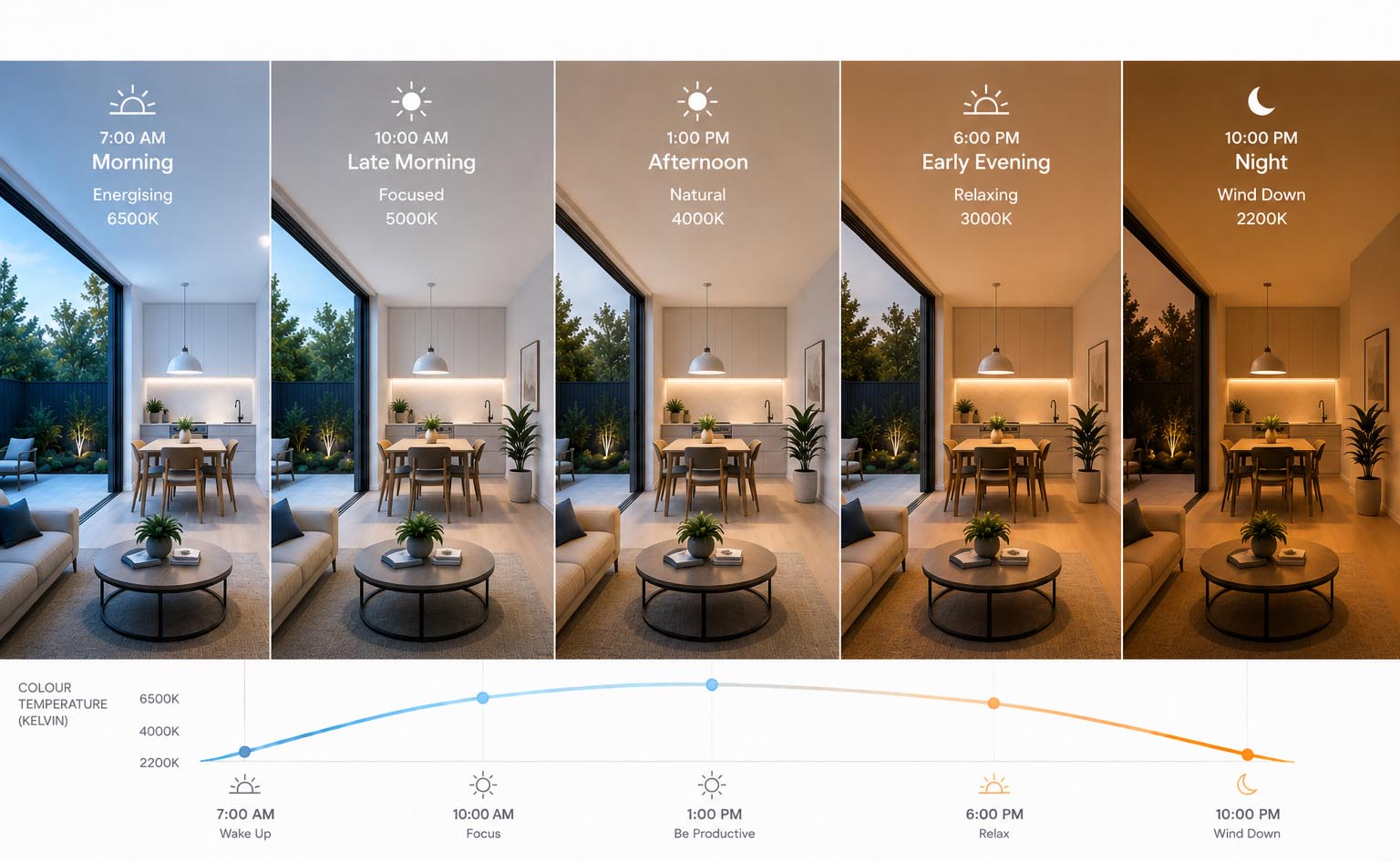
Nature is never static. Daylight changes continuously throughout the day, shifting from the cooler, blue-rich spectrum of morning to the warmer amber tones of late afternoon and sunset.
Artificial lighting that remains fixed in colour and intensity throughout the day contradicts the very qualities that biophilic design seeks to emulate. Dynamic lighting systems, often known as tuneable-white or circadian lighting, allow interior lighting to transition gradually across different colour temperatures.
These changes support the body's natural circadian rhythms, influencing alertness, mood and sleep patterns. At the same time, they introduce subtle atmospheric shifts within a space, allowing interiors to feel responsive and alive rather than visually static.
Sustainability as a Design Principle
A biophilic approach to lighting also aligns naturally with sustainable design. Strategies such as daylight harvesting, occupancy-responsive dimming and high-efficiency LED sources reduce energy consumption while maintaining high visual comfort.
However, sustainability in lighting begins long before technology is specified. The orientation of a building, the placement of windows, the reflectance of interior surfaces and the depth of floor plates all influence how effectively natural light can be used.
When these decisions are integrated into the architectural design process from the outset, the resulting lighting strategy becomes both environmentally responsible and spatially refined.
A Discipline of Attentiveness
Biophilic lighting, at its best, is a discipline of attentiveness. It asks the lighting designer to observe the subtle behaviours of natural light, its movement, its colour, its relationship with materials, and translate these qualities into strategies that resonate within architecture.
The objective is not imitation but distillation: capturing the essential character of natural illumination and embedding it within a contemporary interior.
Spaces that achieve this balance feel immediately recognisable. They possess a sense of calm, coherence and quiet vitality. In these environments, lighting does more than illuminate architecture. It reconnects it to the natural rhythms from which both the building and its occupants ultimately derive their meaning.