Industry · 14 January 2024
Why Do Architects Need the Help of a Lighting Designer?
By Ramees Muhammed
The Case for Specialist Lighting Design
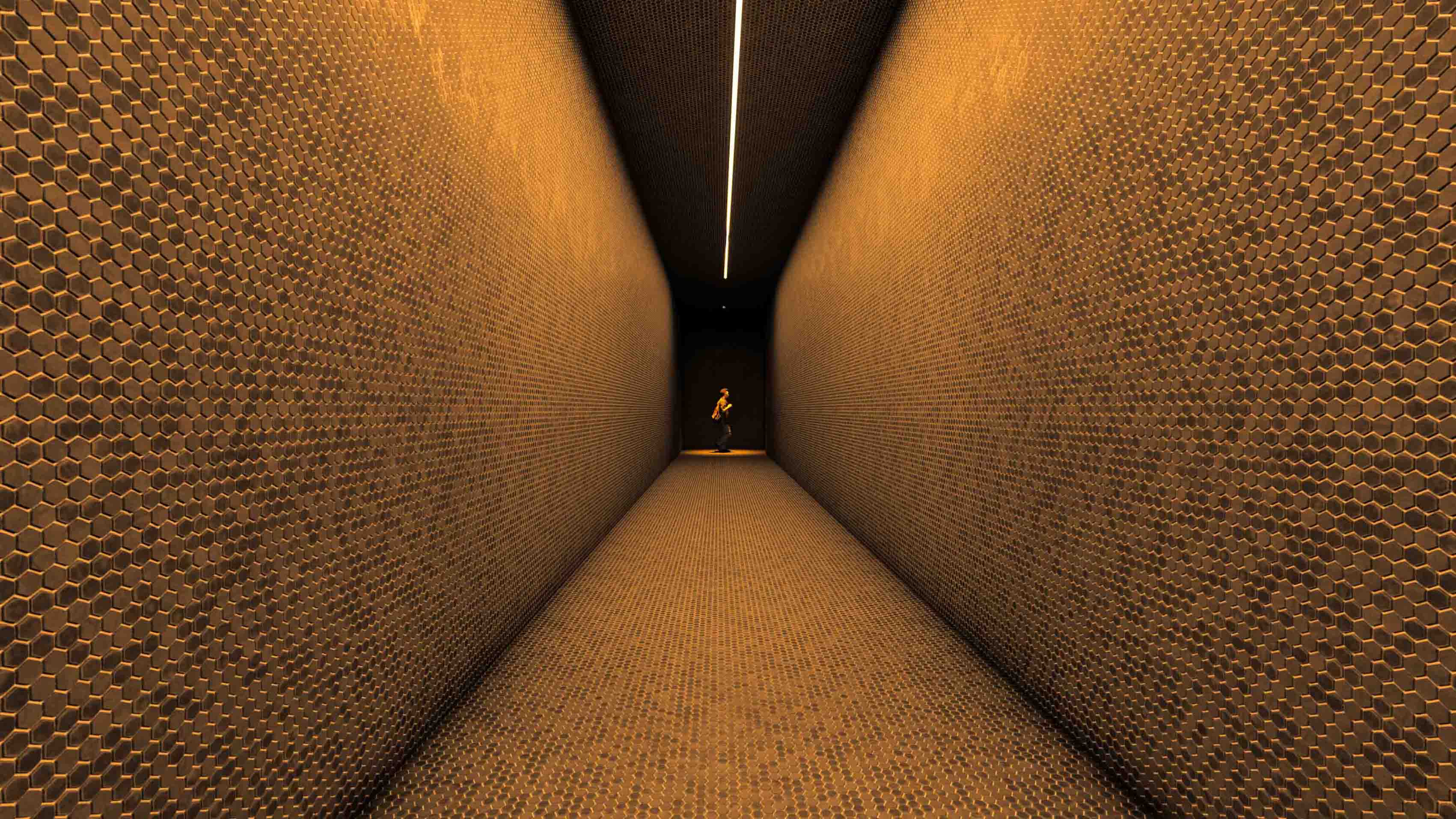
There is a persistent assumption within parts of the construction industry that lighting is a subset of electrical engineering, a technical specification to be resolved in the later stages of a project. This assumption produces buildings that function adequately but fail to move, inspire, or perform at the level their architecture deserves. The most accomplished architectural practices in the world have long understood that lighting design is a creative discipline in its own right, one that demands specialist knowledge, spatial sensitivity, and early integration into the design process.
The role of the lighting designer is not to select fixtures. It is to shape the visual and emotional experience of a space through the deliberate orchestration of light, shadow, contrast, and colour.
Spatial Perception and Architectural Legibility
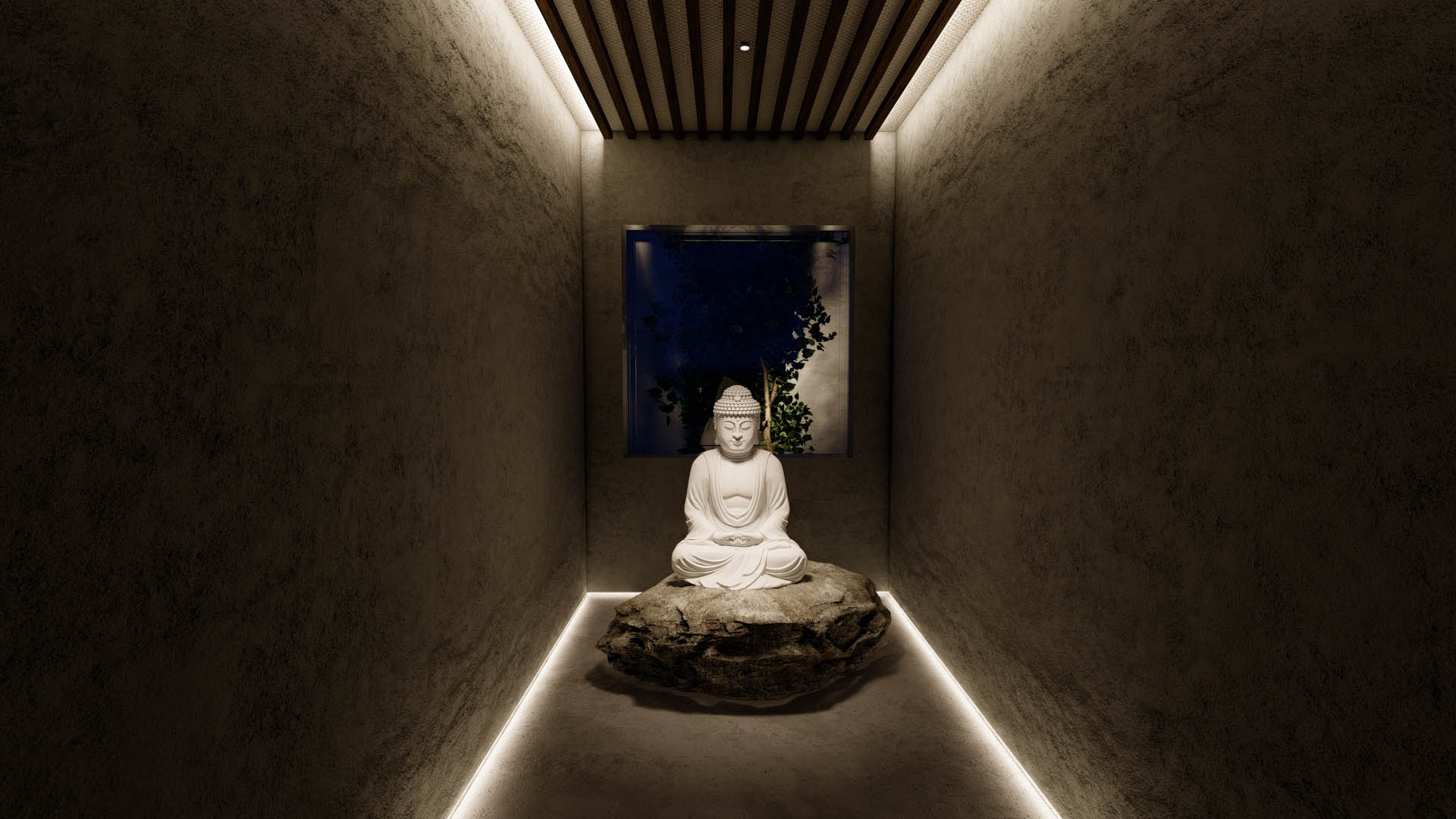
Light determines how architecture is read. A beautifully proportioned room will feel compressed and claustrophobic under flat, uniform illumination. The same room, lit with considered hierarchy and controlled contrast, will reveal its spatial qualities with clarity and presence. Ceiling height, material depth, the rhythm of structural elements: these are architectural intentions that remain invisible without the interpretive layer of light.
A specialist lighting designer understands the optical properties of surfaces, the psychology of brightness perception, and the compositional principles that allow light to articulate space rather than merely fill it. This knowledge transforms lighting from a service into a spatial strategy.
The Economics of Precision
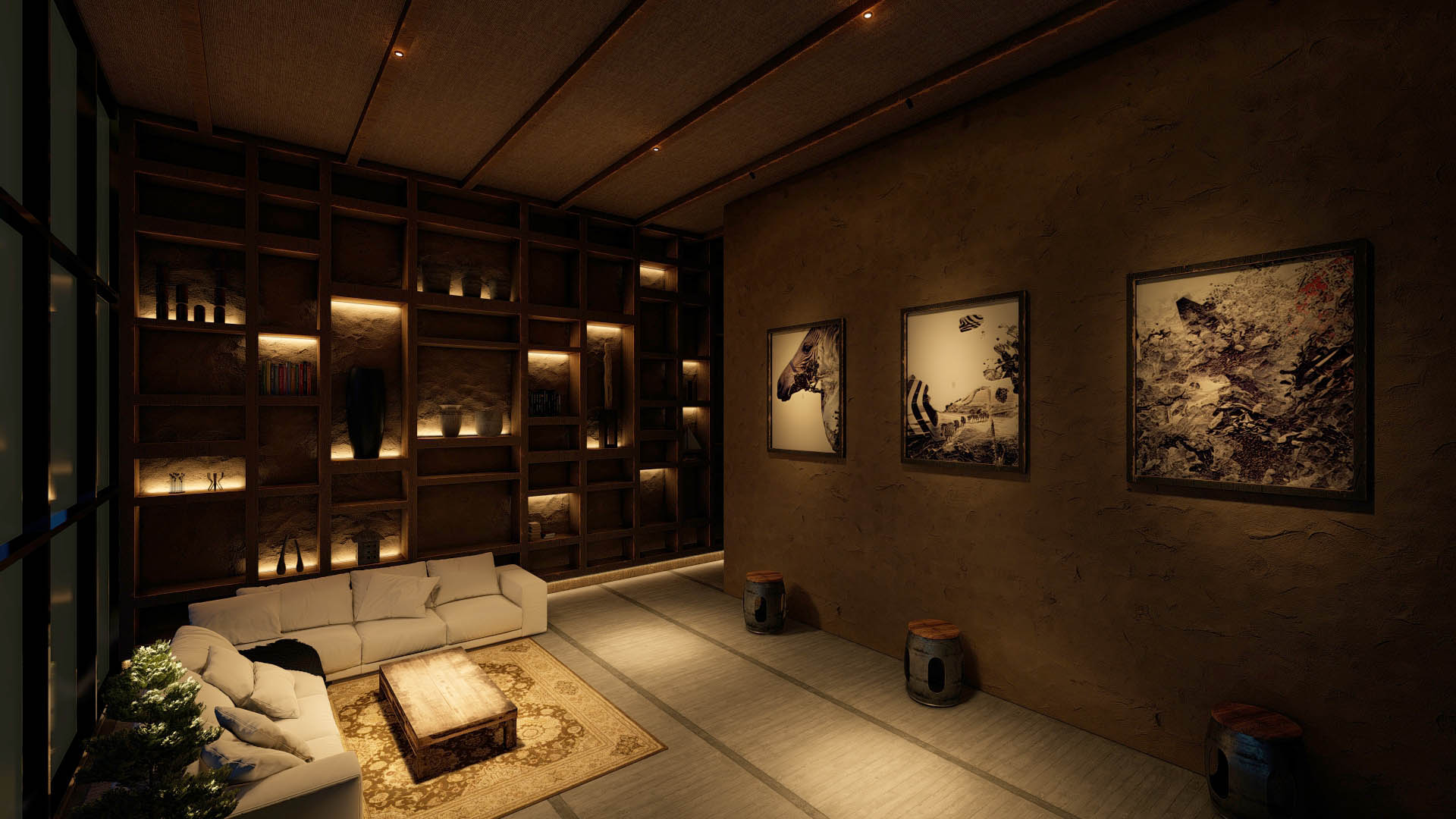
The financial case for specialist lighting design is well established but insufficiently understood. A lighting scheme developed without specialist input typically results in over-specification: too many fixtures, excessive connected load, and control systems that are either absent or poorly configured. The cost of this inefficiency compounds over the lifetime of a building through elevated energy consumption and maintenance burden.
A lighting designer working from RIBA Stage 2 onwards can influence architectural decisions that fundamentally alter the lighting requirement. Ceiling void depths, surface reflectances, glazing ratios, and partition layouts all carry lighting implications. When these decisions are informed by lighting expertise, the resulting scheme achieves its design intent with fewer luminaires, lower energy consumption, and a more refined visual outcome.
Light as Emotional Architecture
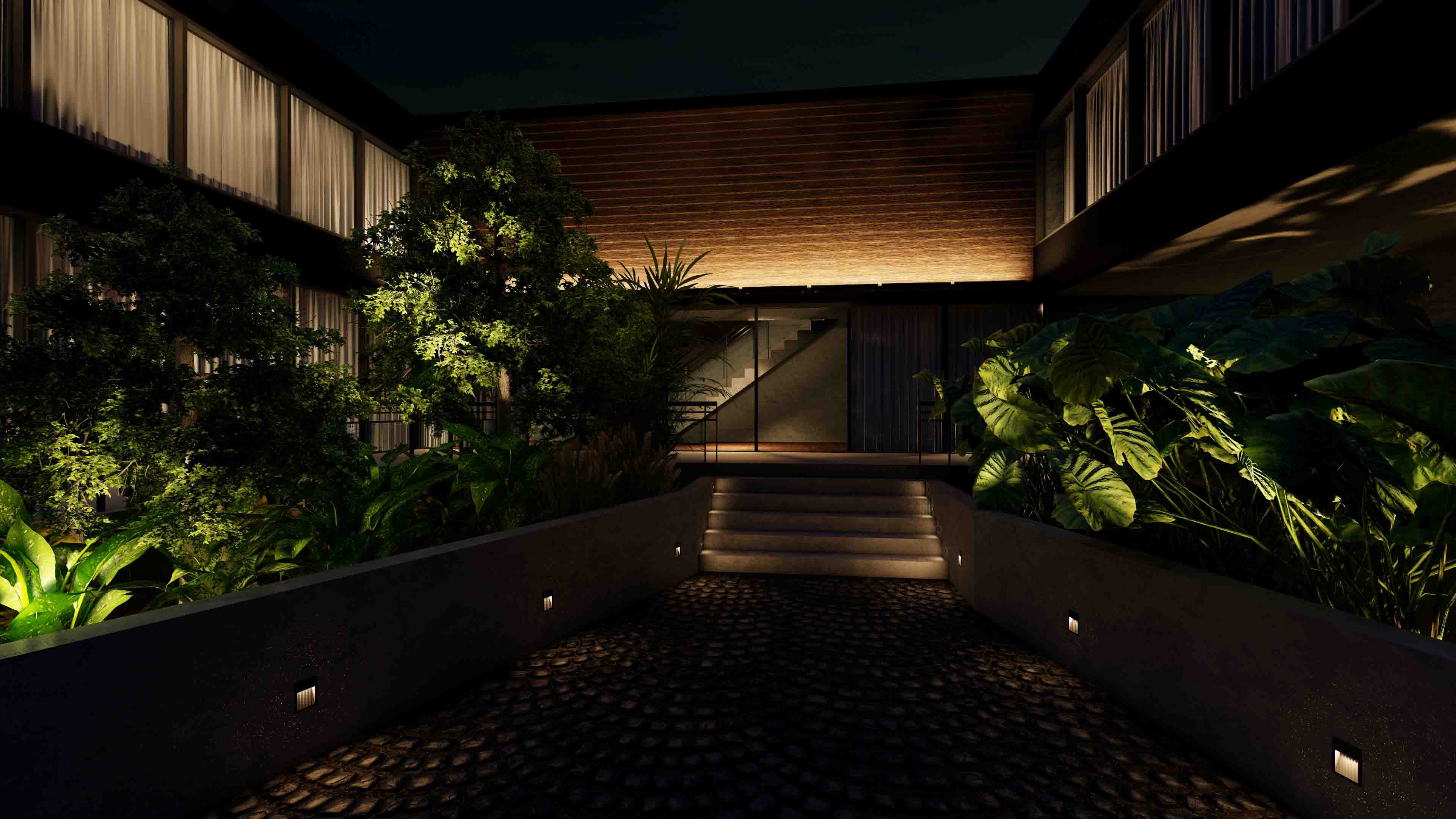
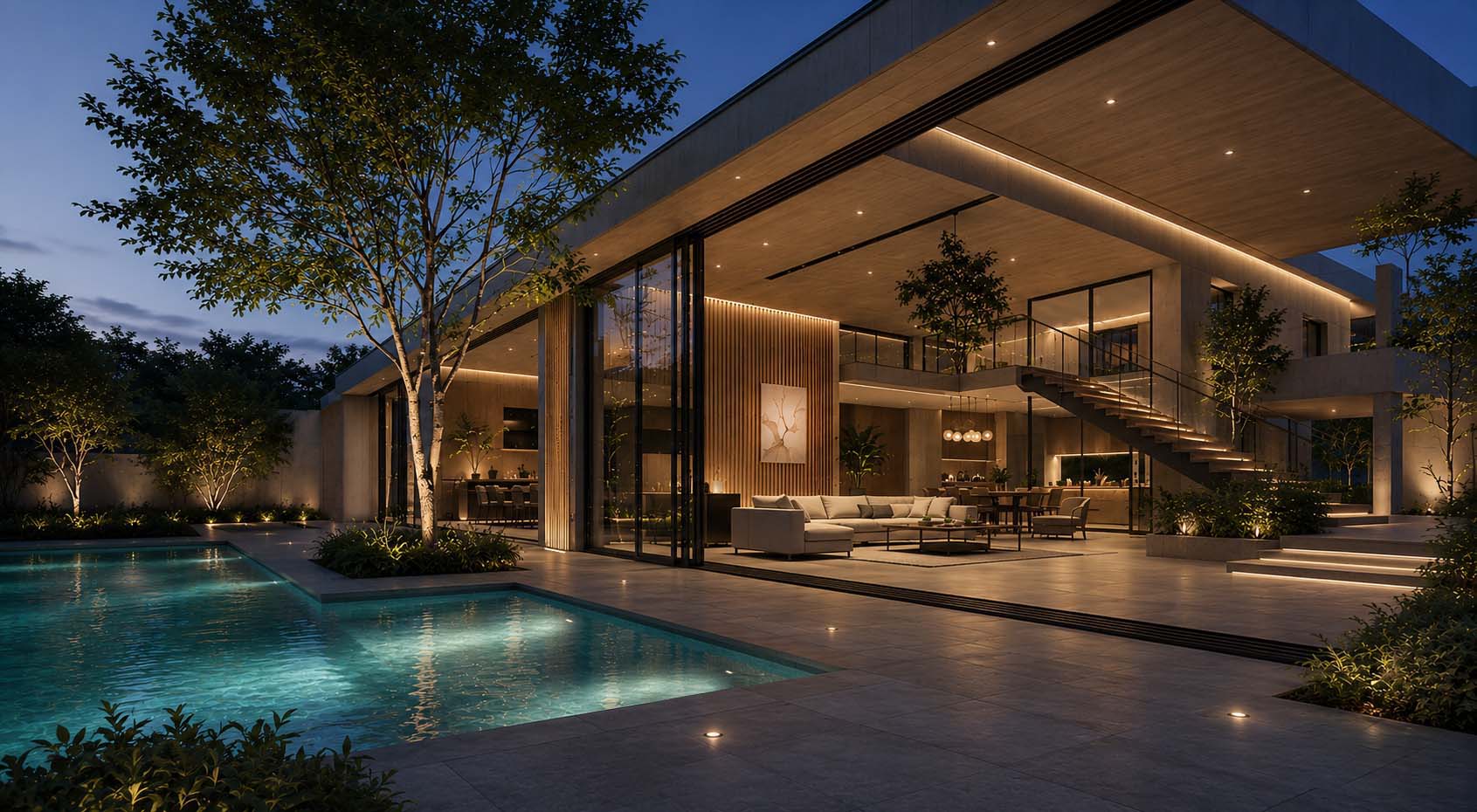
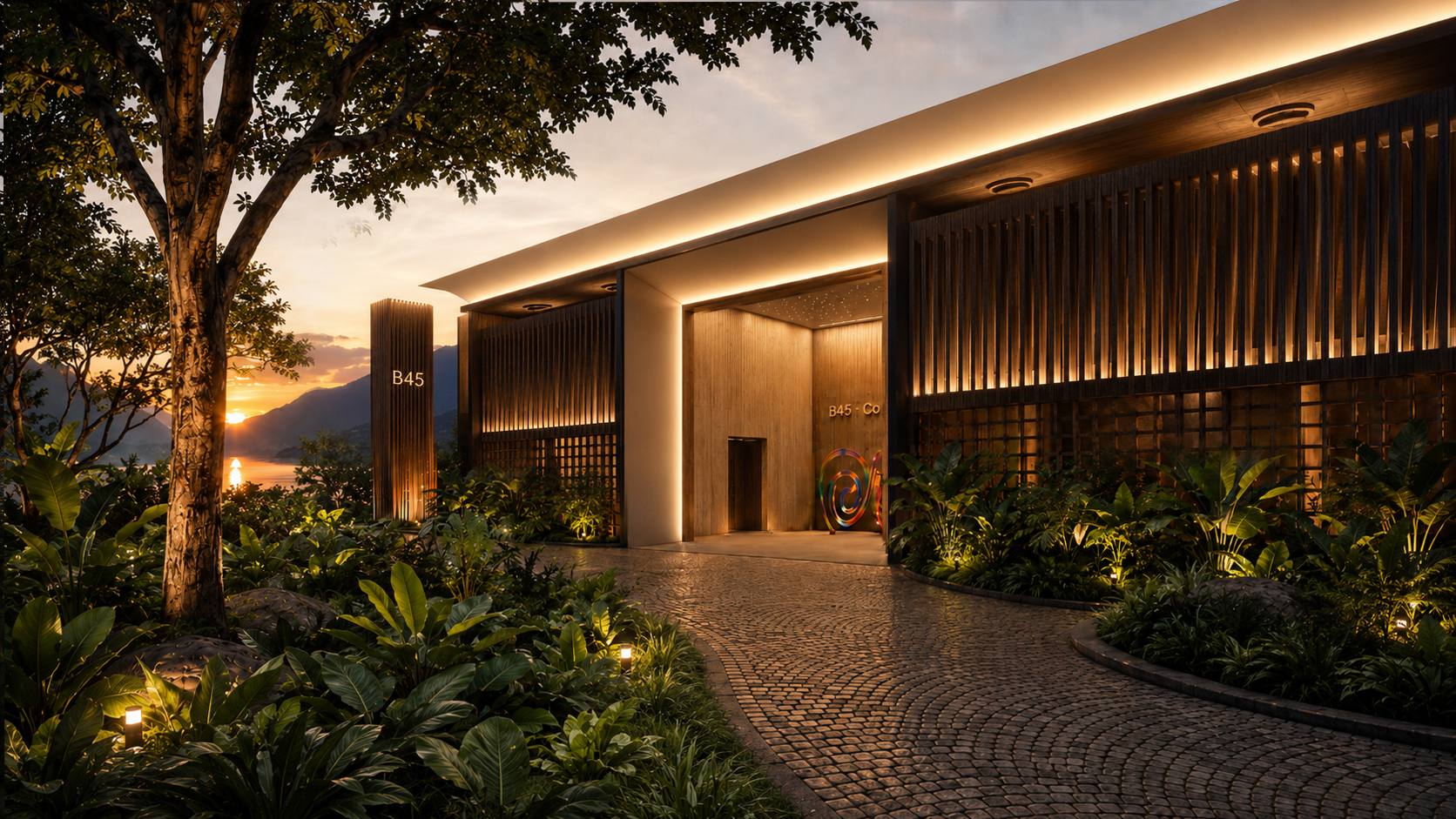
Beyond function and economy, light is the medium through which architecture acquires emotional resonance. The warmth of a hotel lobby at dusk, the focused intensity of a gallery exhibition, the calm of a residential corridor at night: these are not accidental qualities. They are the result of deliberate design decisions about colour temperature, luminance hierarchy, and the careful balance between illumination and shadow.
The lighting designer operates at the intersection of technical rigour and spatial intuition. The best lighting schemes are those where the viewer is never conscious of the fixtures, only of the quality of light and the atmosphere it creates. Achieving this level of integration requires a depth of knowledge and a sensitivity to spatial experience that extends well beyond the specification of hardware.
Collaboration as a Design Imperative
The most successful projects are those in which the lighting designer is engaged as a collaborative partner from concept stage. Early involvement allows the lighting strategy to influence and be influenced by the architectural parti, the material palette, and the spatial narrative. The result is a scheme where light and architecture are inseparable, each reinforcing the other.
This collaborative model is standard practice among the world's leading architectural firms. It recognises that the quality of light within a building is not a secondary consideration but a primary determinant of how that building is experienced, valued, and remembered.
The Measure of Architectural Quality
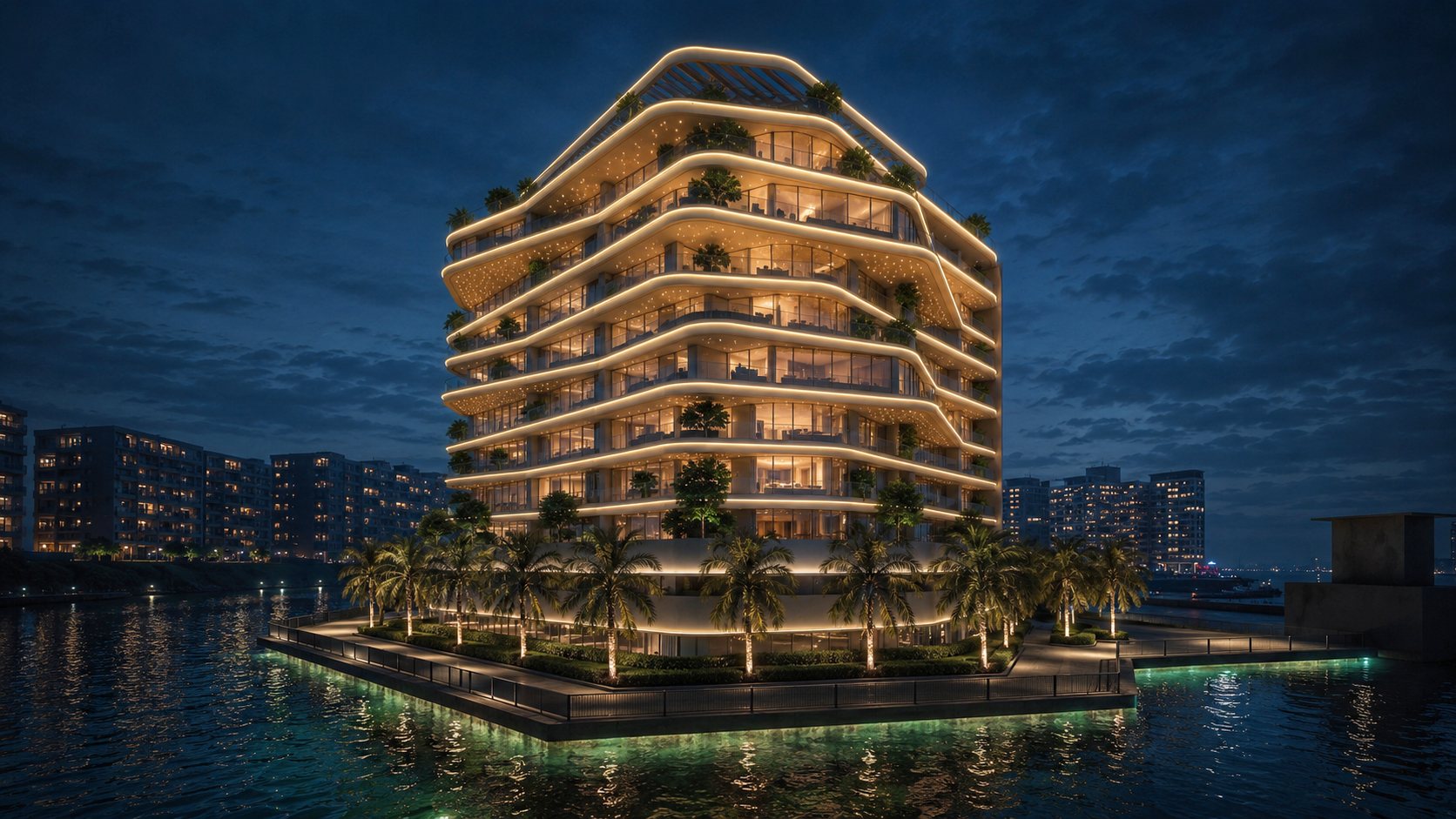
The distinction between architecture that is merely competent and architecture that is genuinely exceptional often comes down to light. It is light that reveals texture, establishes mood, guides movement, and creates the atmospheric conditions within which human activity unfolds. To design a building without the input of a specialist lighting designer is to leave one of architecture's most powerful instruments unplayed.